
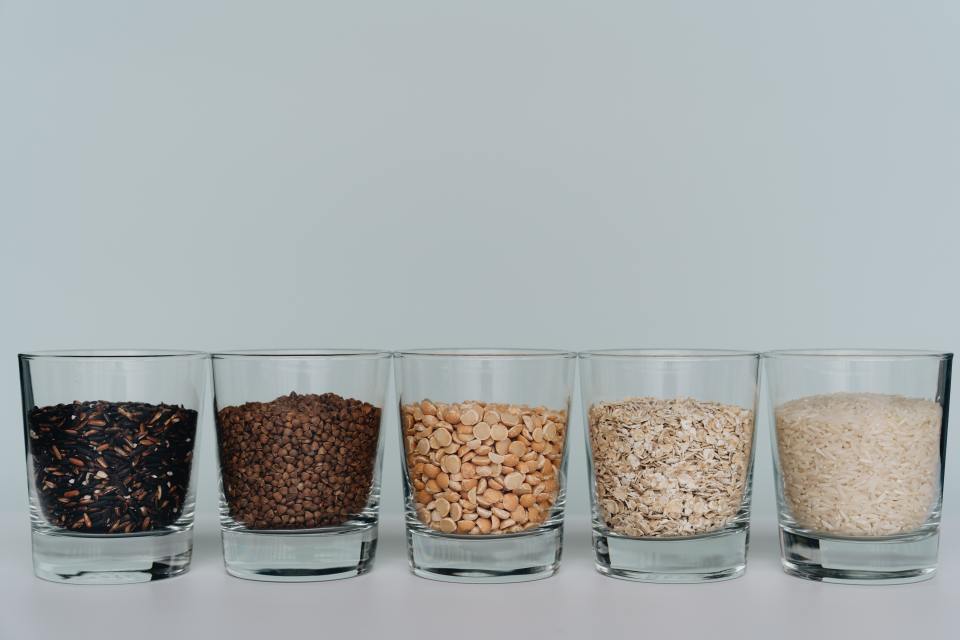
SO Canadas Food Guide recently (well 2019) removed their typical recommended daily serving amounts from their guide and now recommends that we, in general, “Eat plenty of vegetables and fruits, whole grain foods and protein foods” (particularly those from plant-based sources). But what does that mean for the general public? While for most this sentence is relatively self explanatory, and the idea was to be broader, easier to understand and accomplish, less overwhelming and over all just more accessible, for some this can leave you with a sense of “Ok, but WHAT should I eat?” Well for now lets focus a little more on the idea of “whole grain foods” and how we might go about choosing our grains. What are our best options in terms of nutrients, and how do I go about making this switch?
Not all grains are created equal, however, there are indeed three parts to any grain technically speaking. The bran (outer layer containing most of the fiber), the germ (core containing much of the protein, vitamins, minerals and fat), and the endosperm (large middle mass, which is mainly starch). Whole grains are excellent sources of carbohydrates, vitamins, minerals, including many of our much needed B-vitamins, vitamin E, selenium, copper, magnesium, iron, potassium among others, as well as being great sources of fiber, plant sterols and many phytochemicals! Whole grains are intact grains, containing all its parts and whole grain products absolutely can still include whole grains that have been rolled (e.g. rolled oats), cut or ground into flour. Understandably, the more a grain is processed (typically bleaching) the more it loses its nutrients (its two most nutrient rich parts, the bran and the germ).
But what about picking which ones to eat? When attempting to gradually shift your consumption to healthier grain options try going down this list below by slowly replacing the grains in your home with ideas from each of these groups to achieve a well rounded “arsenal”. As you find options you enjoy cooking as well as eating, try to make a point of consuming predominantly from the last three groups, marginally from the 2nd group and rarely from the first.
From 1 through to 5 we’ll list some grain options considered “most processed” through to “least processed” or “best option” (this is not an extensive list).
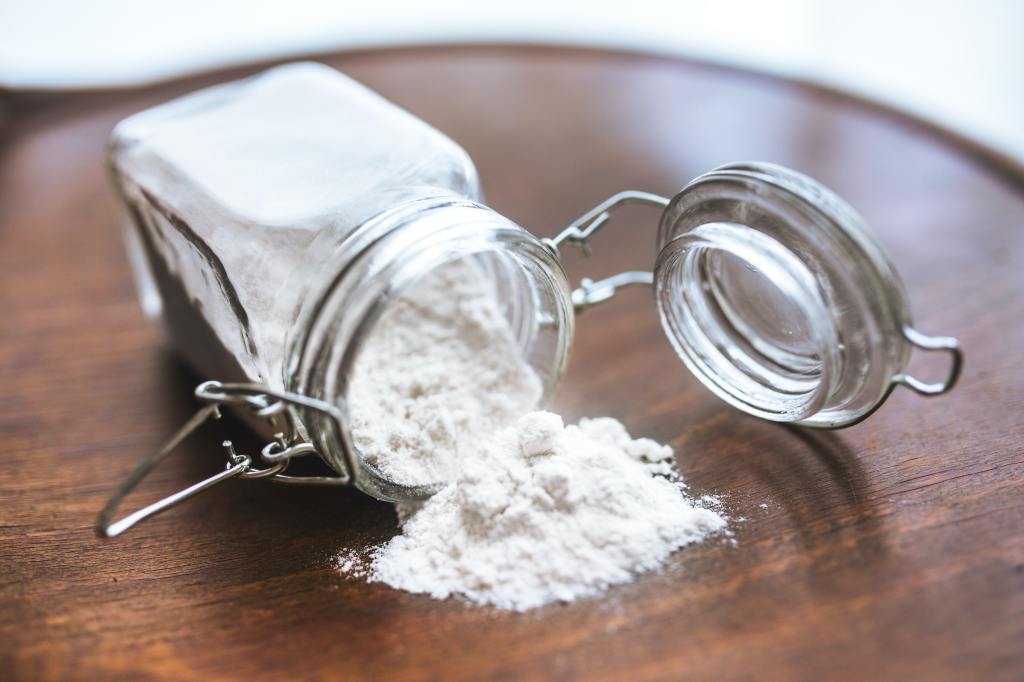
1) White or bleached gains and/or products that have been stripped from most if not all of its nutritional value such as white all-purpose flour, white, sticky, par-boiled rice, pastas made with white flour, sugary cereals etc. *(Keep in mind however that white bread and white flour is fortified with a small handful of vitamins and minerals which are mandatory for replacing a small portion of its lost nutrients and cannot be sold in Canada without this enrichment. So if this is the only bread/flour available to you or within your budget know that there is still some nutrients to benefit from.)

2) Still highly processed but containing a degree of whole grain or whole wheat products. A lot of advertised whole grain or whole wheat crackers, cookies and baked goods would generally fit under this category. Half-and-half flours would be a good example or crackers with flecks of flax seed might be another. A good rule of thumb is to look at the label. Labels listing whole grain will be “better” than labels simply listing whole wheat, but in either case you should be seeing those listed as the first 3-4 ingredients on the ingredients list. Lastly when looking at the nutrition label, another rule of thumb you could use would be that products with a fiber level of 5% or less of the daily value (DV) is generally a poor source, a fiber level of near 20% of the DV and anything above that would be considered high or an excellent source, and anything in between is considered an OK source. Products generally in or close to that 5% would fit into this category.
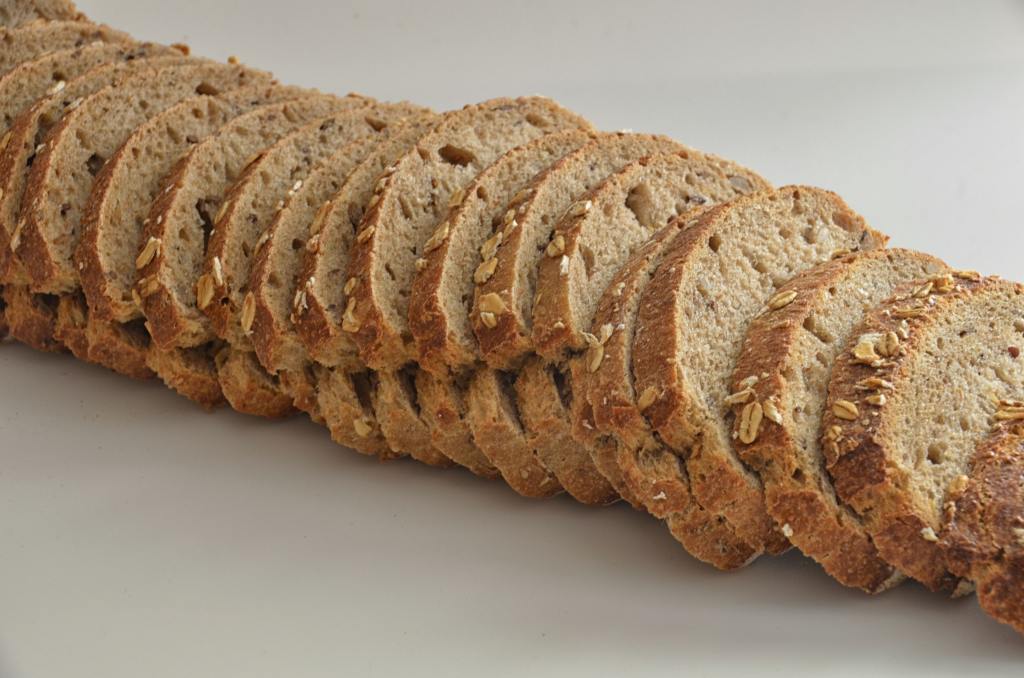
3) Processed but still whole grain, such as products that have been ground. The damage from ground whole grain products is only slightly higher than the damage from rolled or cut whole grains but much of their original nutritional value is still retained. You might be looking for “whole wheat” or “whole grain” as at least the second ingredient in flours and products such as some pastas or baked goods or words like “unbleached flour” as well. Good examples would be brown rice or some pastas made with unbleached flour, some whole wheat or whole grain baked goods, etc. Products in the middle portion of that rule of thumb mentioned above (looking for at least 7% or more) would fit into this category. Note that some processed products made with whole wheat will fit into the “20% or higher” category below, just be sure to check the label!
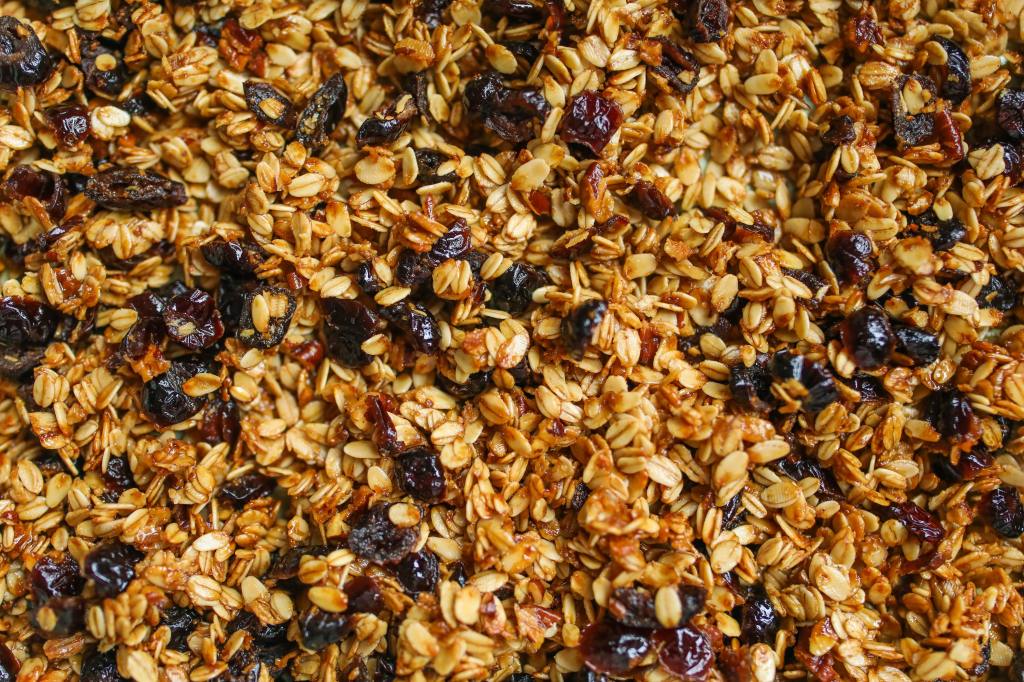
4) Minimally processed grains, such as those cut, rolled or stone ground with little or nothing added or removed, and/or some products made with whole wheat/whole grains. These might include things like rolled, or steal cut oats, mixed-grain cooked cereals, muesli, some whole grain breads and wholegrain crackers or pasta products (remembering the rule of thumb mentioned above) , heavy rye breads made with whole grain seeds etc. Products nearing that “20%-or-more” mark would generally fit into this category.
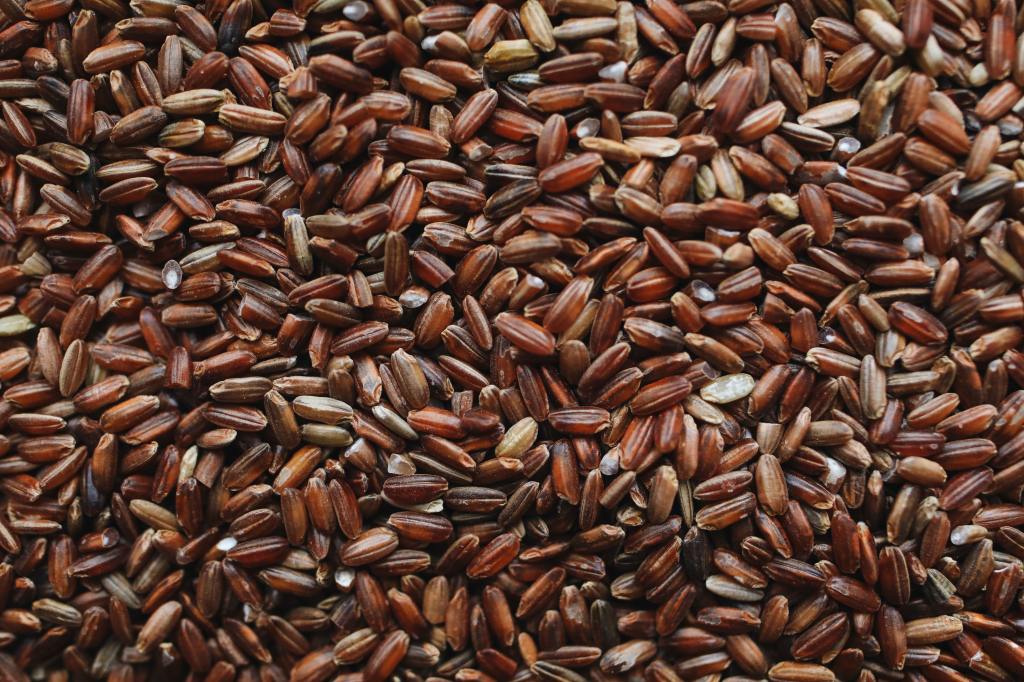
5) Intact grains. Whole complete grains with out anything removed. Whole grains such as brown rice, barely, millet, kamut, wheat or spelt berries, buckwheat grouts (which are technically a seed and gluten free), oat grouts, and quinoa (which are also technically a seed and also gluten free). Whole grains can be cooked, sprouted or even just soaked depending on the grain. It’s easy to always fall to rice in this category, but get creative and experiment with new types of grains and different recipes you’ve perhaps never thought to try otherwise! Be adventurous with your food!
Lastly I’ll leave you with this. Go through your pantry/fridge and take note of the types of grains and grain products you have in house. Where would you loosely place them on this list? How many of your number 1 group grains and grain products would you be willing to switch over?
Start there.
See Focus On: Fiber for a bit of information as to what fiber does in our body and why it is so important.
Photos from Free stock photos · Pexels
 R. Anne. R Holistics