

“Focus On’s” are meant to be short, sweet and to the point, informative material. Printable versions are provided below.
Why fiber?
Fiber isn’t digested by your body. Instead, it passes through your stomach, small intestine and colon and out of your body. THIS IS NOT A BAD THING! Just because we can not digest it does not mean we don’t need it in our diets.
Soluble fiber dissolves in water to form a gel-like material. It can help lower blood cholesterol and glucose levels. Insoluble fiber promotes healthy digestion and the movement of material through your digestive system and it aids in stool elimination by picking up substances in the large intestine and adding it to stools bulk. Imagine it as the sweeper/cleaner of the large intestines/colon.
A high-fiber diet normalizes bowel movements by increasing the weight and size of your stool and softening it. It also helps maintain bowel health. Studies have also found that a high-fiber diet likely lowers the risk of colorectal cancer. It has been shown to lower cholesterol levels by lowering low-density lipoprotein (“bad,” cholesterol) levels, and helps to control blood sugar levels by slowing the absorption of sugar. A healthy diet that includes insoluble fiber may also reduce the risk of developing type 2 diabetes. Finally, studies suggest that increasing your dietary fiber intake is associated with a reduced risk of death from cardiovascular disease and all cancers.

Fiber Choices
Legumes: All legumes are great choices when it comes to fiber, but if were looking for some of the very best, peas, navy beans, split peas, lentils, chickpeas and kidney beans are among the highest.
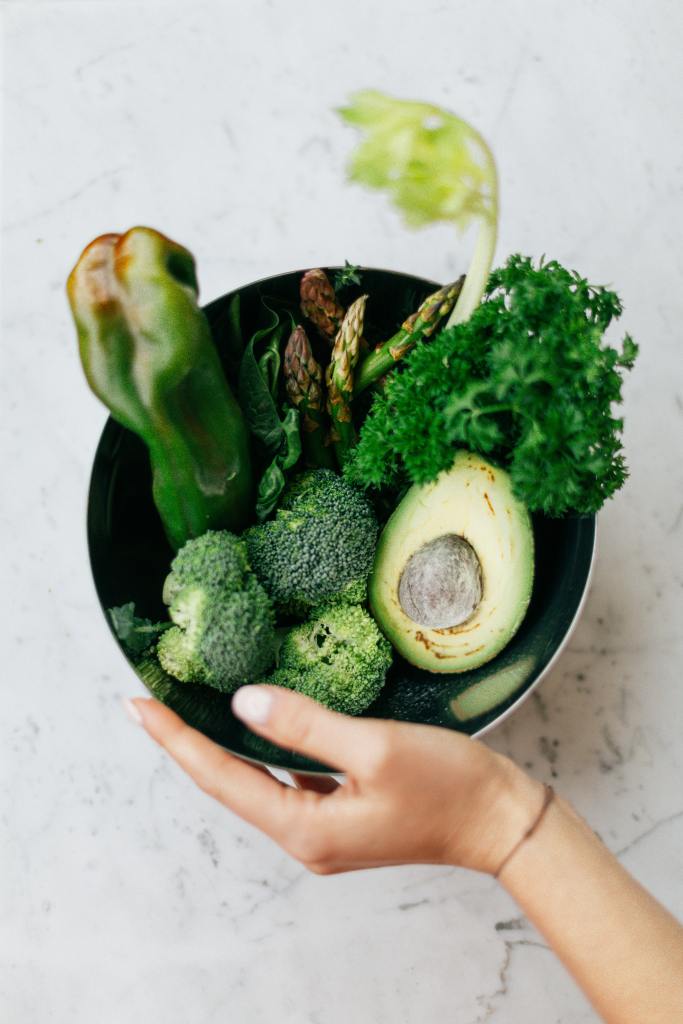
Vegetables: Dark colored vegetables are great options when looking for fiber rich foods. Carrots, beets, broccoli, and swiss chard are just some examples. Artichokes and, surprisingly, avocado are both very high in fiber at about 10 grams each per cup.

Other: Making whole grain choices any time you can is one of the easiest ways to incorporate fiber into your diet. Look for “whole grains” or “whole wheat” on ingredients lists as well as fiber content under Carbohydrate on a nutrition label. A good rule of thumb is to reach for products with at least 5% or more of your DV when looking at a nutrition label. Other food choices you can make are whole grains in general, i.e. brown/wild rice, barley, steel cut oats etc. Lastly adding things like chia seeds (4 grams/tbsp) and/or flax meal (2 grams/tbsp) to dishes or smoothies is another way of incorporating additional fiber in your diet.
 R. Anne. R Holistics
1 Comment